Featured Article

Calgon Carbon invests nearly $100 million to expand drinking water carbon reactivation capacity

Carbon reactivation demands are growing. So are our facilities.

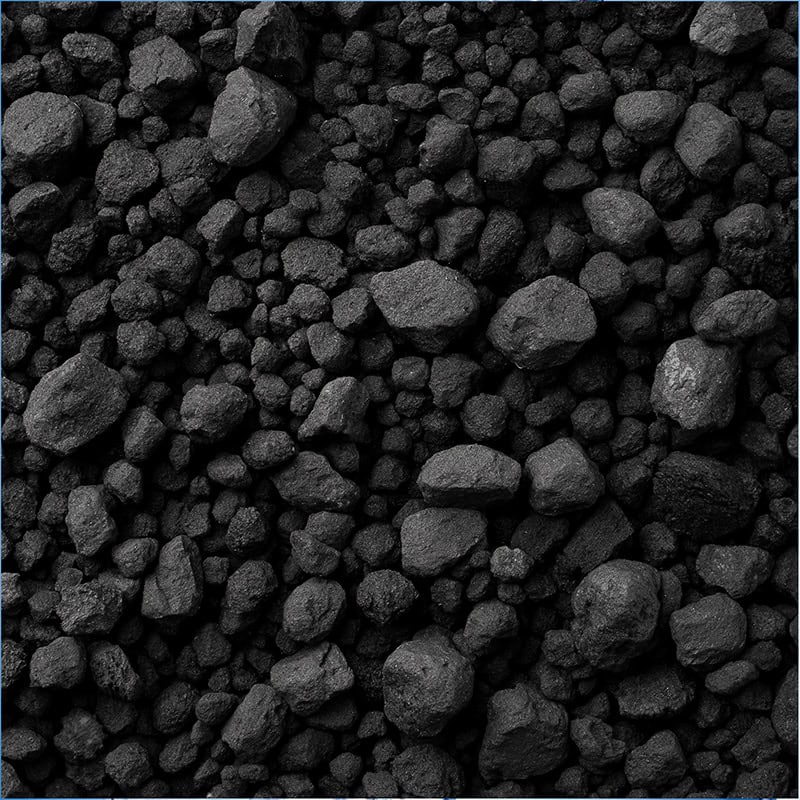
Calgon Carbon is making a nearly $100 million, Kuraray-backed drinking water investment to expand PFAS treatment infrastructure—adding 27 million pounds of annual drinking water carbon reactivation capacity in Ohio and advancing plans for a new South Carolina facility—to meet surging regulatory-driven demand. See how these investments deliver proven PFAS destruction performance and position utilities for long-term, sustainable compliance. 

calgon-carbon-announces-carbon-reactivation-expansion-drinking-water-investment

Related Content:

4-carbon-reactivation-truths-water-operators-should-know

Webinar

Carbon reactivation truths water treatment plant operators should know

In this technical yet practical webinar, our experts dive into the four things municipalities should know before choosing a reactivation vendor and why these truths are important to your future success. Plus, discover why verifying reactivation processes with peer‑reviewed science is critical for ensuring true contaminant destruction and long-term treatment.

how-thermal-reactivation-is-reshaping-municipal-water-teatment

Video

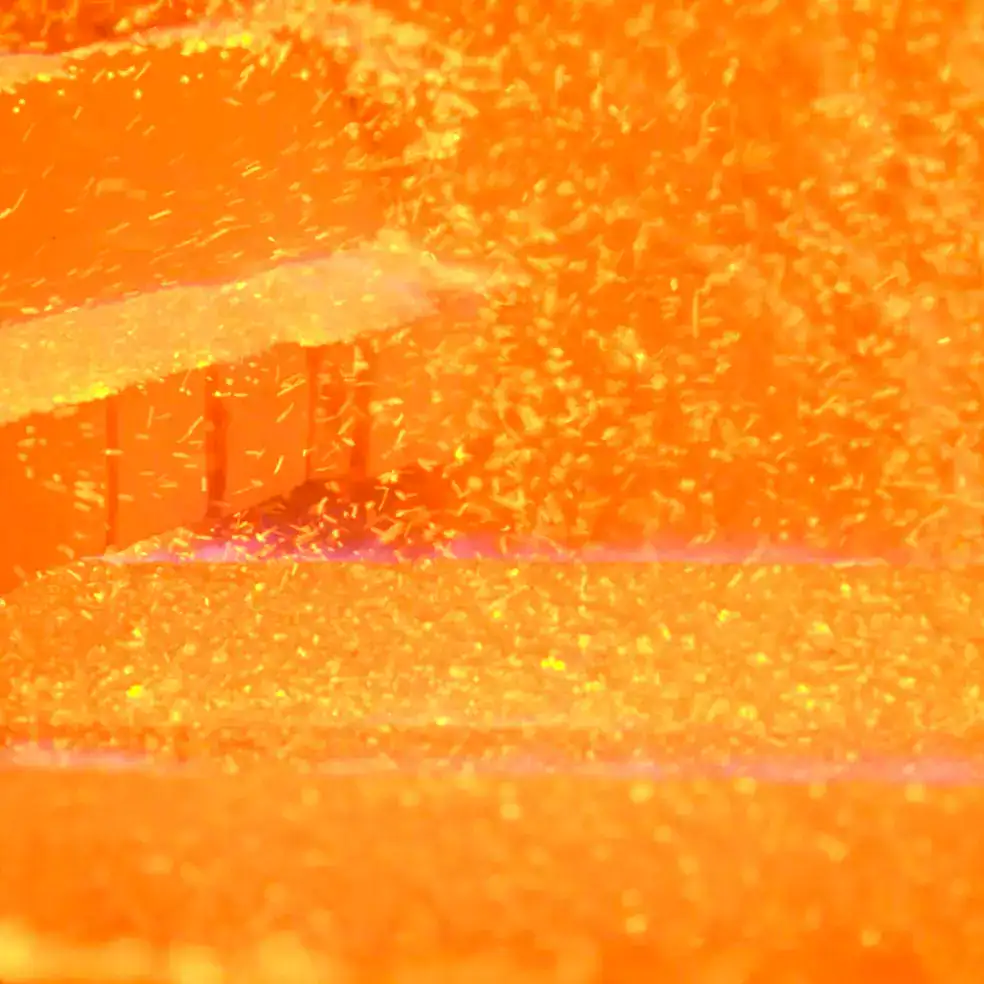
Inside the furnace: How thermal reactivation is reshaping municipal water treatment

PFAS and VOC removal don’t end when GAC is spent. In this in‑depth conversation with Calgon Carbon and Water Online, uncover how utilities are reclaiming value from used granular activated carbon through thermal reactivation, restoring it to the high performance you need while supporting long‑term sustainability goals.

epa_art

Article

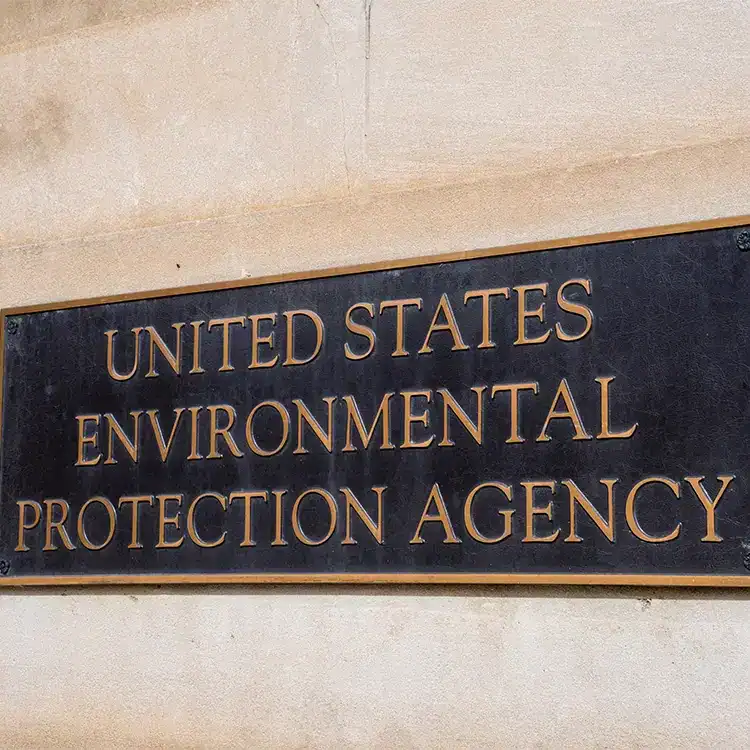
In case you missed it: EPA recognizes Calgon Carbon in the 2026 PFAS Destruction Guidance

Not sure which reactivation solution is right for you? Let the EPA tell you not once, but twice. The 2026 Guidance identifies us as a key player holding RCRA permits for treating hazardous PFAS-laden waste and highlights our full-scale process that achieves over 99.99% destruction efficiency for most PFAS compounds. Read on to discover how our inclusion provides a real-world example of the infrastructure necessary to manage and eliminate “forever chemicals” from the environment.

This website uses cookies

We use cookies and similar technologies to enhance your experience, analyze site traffic, and personalize content and ads. By continuing to use our site, you agree to our use of cookies. Under California and other US state laws, you have the right to opt out of the sharing of your personal information for targeted advertising. Privacy Policy